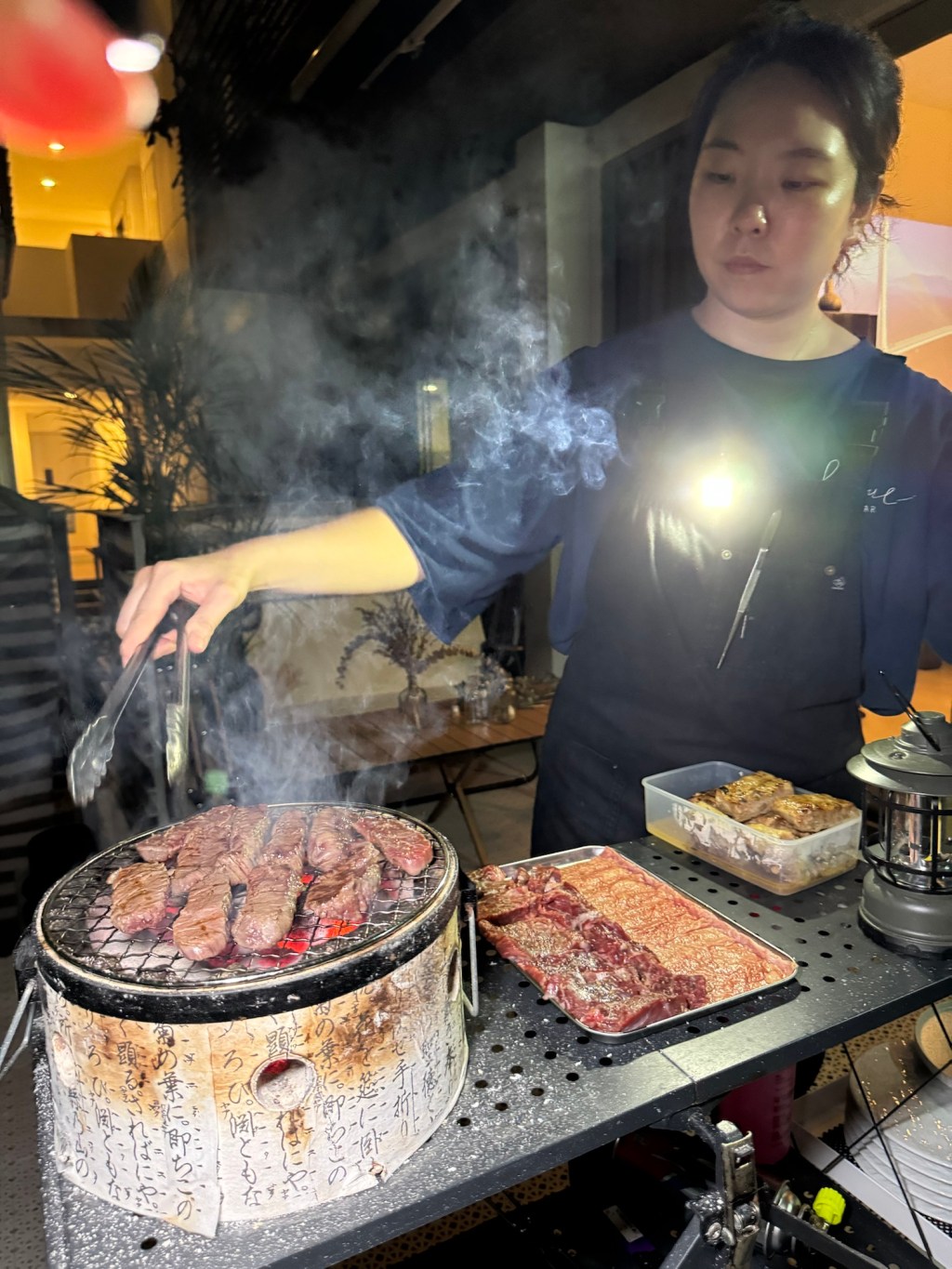

I was late by half an hour. There were movers, maybe a stiff bookcase, and a flurry of text messages involved. But I made it to Bēok’s table which can fit up to 10 people nicely. It was at this moment I knew that the hosts were eager to impress, and they did.
There’s a new private home dining in town, and they serve Korean cuisine over eight courses any day of the week.
Here’s what we know about this exciting newbie so far.
- Bëok literally means fertile soil in Hangeul. “The soil must be fertile for sprouts and flowers to bloom with their essential strength.” Expect to discover familiar and the not so familiar ingredients from Korea.
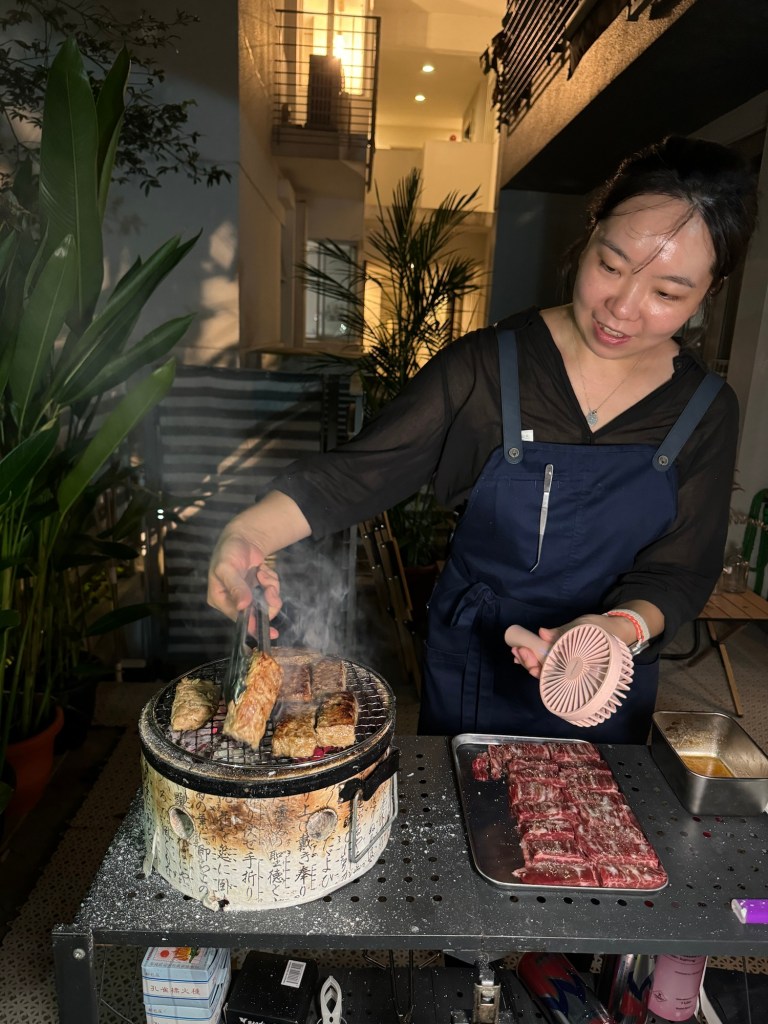
- It is a private home dining concept located in a centrally located private residence run by professional Korean chef Aesil Kim, service host Jackson who enjoys sharing Korean reflections on food culture, and TK for drink recommendations, thanks to his bartending background.
- It is probably the only private home dining concept which is open for pre-booking’s seven days a week, for a minimum of four guests. Dinner service is available, and soon lunch too.
However these are early days yet for the two-month-young business.

The presentation style for each setting was not just aesthetically pleasing, but representative of chef Aesil’s and Jackson’s home country. I don’t think I could ever get used to flat slippery chopsticks, but I try.
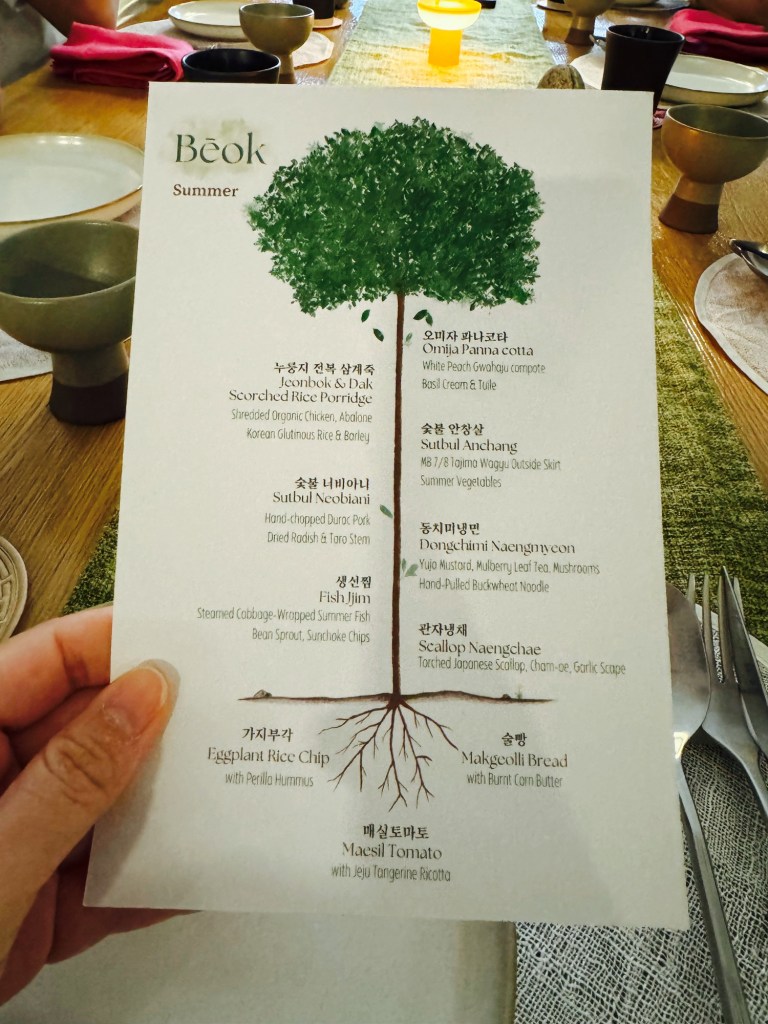
We got the newly launched summer menu at an increased price of $105 nett per pax for 6-10 pax. (It was $80 previously for the debut menu.) Or pay $115 each for 4-5 pax which is still a bargain.
Snacks
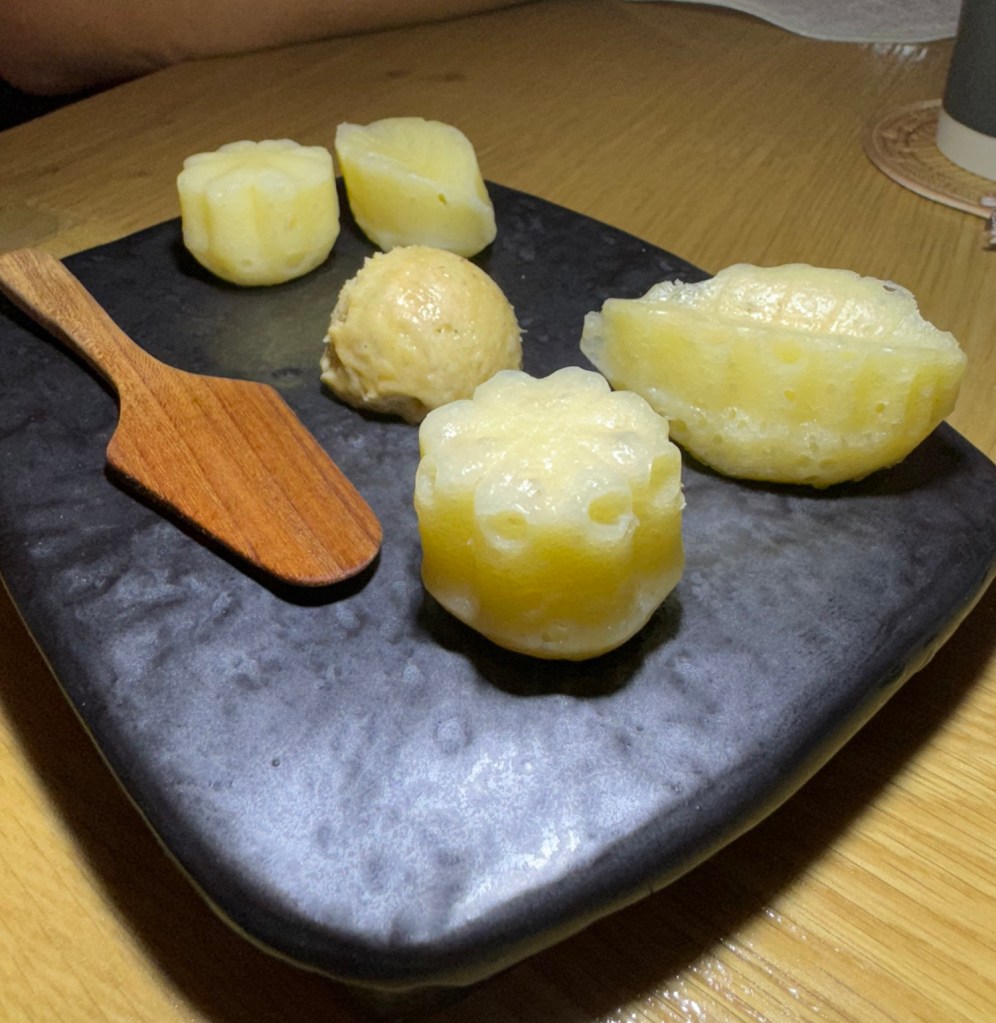
This won everyone’s hearts around the table – flower-shaped makgeolli (or makkoli) bread. Makgeolli is a low abv rice wine that’s cloudy and is a common drink in Korea. Chef Aesil repurposed the yeast in unpasteurised makgeolli for the dough. The menu refers to this as “bread” but the texture is soft and bouncy, and the consistency is more like kueh or taiyaki batter. Burnt corn butter accompanied the tiny morsels but I didn’t need the butter at all. Having the “bread” on its own allowed me to taste a little sweet and fermented flavors.

The second snack was eggplant rice chip aka eggplant bugak. Bugak is a traditional snack usually made with vegetables. Chef Aesil sliced the eggplant, then coated them with rice flour. She then steamed the lot, coated them in rice flour again, then placed them in a dehydrater before frying them. Making a micro sandwich, perilla hummus was spread in-between the crispy crackers. What’s extra special here is the perilla oil in the hummus. Chef Aesil’s aunt from back home picked the perilla seeds, while her grandmother pressed the oil.
It was these personal touches and heartwarming stories we got acquainted with throughout the night that made this meal an irreplaceable one.
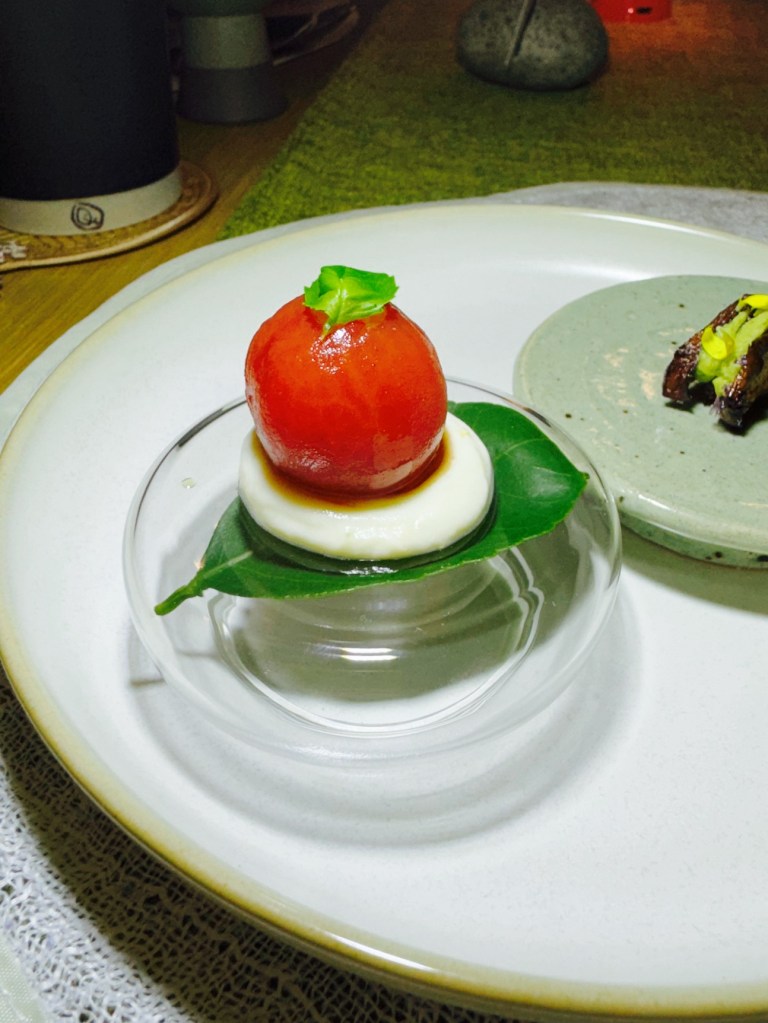
The last snack was maesil tomato. Chef Aesil took green plums aka maesil from Korea, poked holes in them, then buried them in sugar for at least a year. She then extracted the essence and pumped it into the cherry tomato together with homemade ricotta cheese. I popped this in my mouth and bit into it, half-expecting a violent explosion of flavors. But no, it was calm and creamy.
Appetizers
Scallop Naengchae / 관자냉채
A garland of sashimi-grade torched Hokkaido scallop, garlic shoots (jangajji), pickled korean yellow melon (summer fruit) and orange segments were flavor-enhanced with orange zest, summer melon dressing and celery oil.

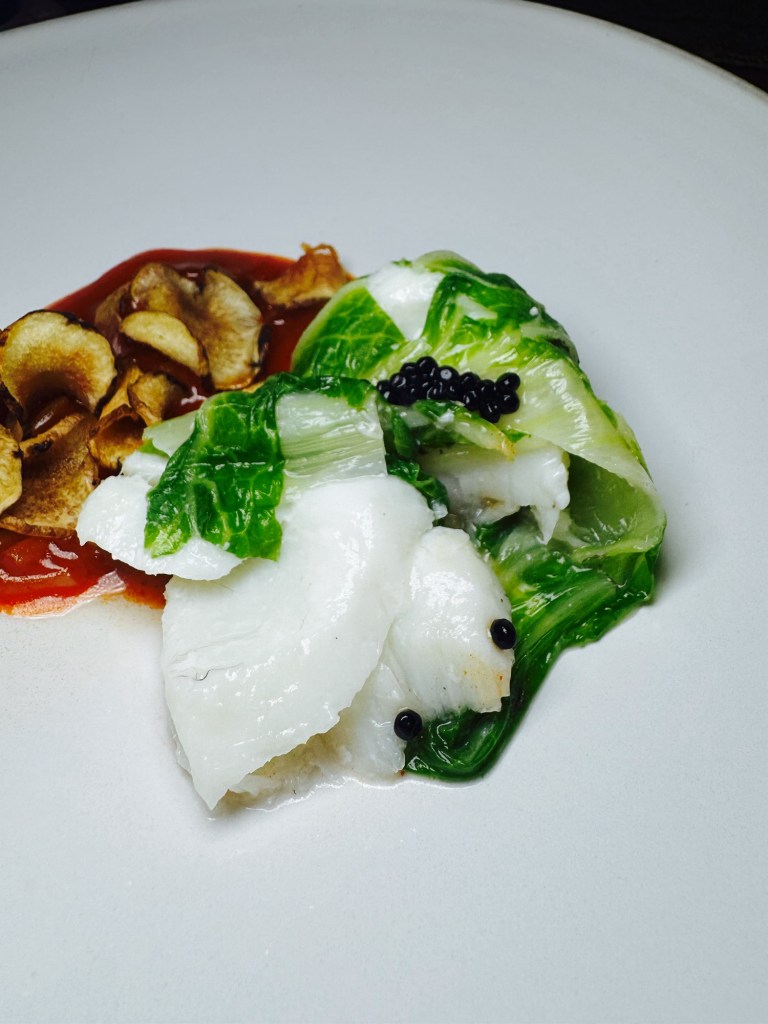
Saengsun Jjim / 생선찜
A white-fleshed summer fish, fresh atlantic cod, was wrapped in cabbage and seasoned with butter and sesame oil, then steamed. The wrap seals in the moisture and flavors while steaming.
Sunchoke chips, Chef’s homemade jjim (“steam” in Hangeul) sauce, korean beansprouts and truffle caviar complete the dish. I’ve always liked cod over silver-skinned fish for its oiliness and flaky flesh.


Dongchimi Naengmyeon / 동치미냉면
Traditional hand-pulled buckwheat noodles traveled from Myeon Ga Won in Korea. Apparently it takes over 28 hours for the third generation owner to go through the 20-step process. The suyeon somyeon are pulled eight times amongst other techniques, to make them chewy and not get soggy easily. The artisanal brand has been around for 49 years.
The noodles are neatly twirled in white radish kimchi pickling juice (dongchimi soup), topped with half an ajitsuke quail egg marinated in soy sauce and mirin. White and green radish brushed with yuja mustard, pear, grilled mushrooms as well as mulberry tea flower-shaped ice floated in the bowl. The flavored ice pieces add a little coolness to the dish, and as they melt in the soup. They’re really tiny though. Korean cold noodles are one of my top ten most favorite things to eat!
Mains
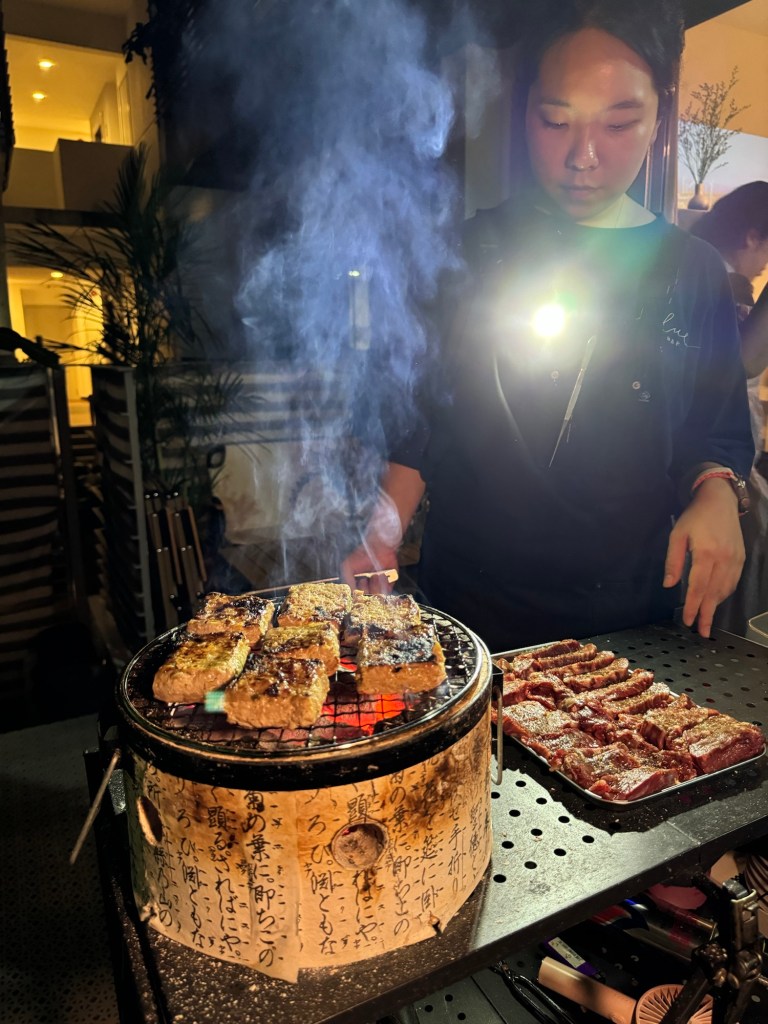

Sutbul Neobiani / 숯불 너비아니
(sut = charcoal + bul = fire = charcoal grilled;
neobiani = chunky chopped meat for bbq)
The main idea here is to chop the meat into chunks (not minced) so when eaten, there’s a good bite to it. Chef Aesil bbq’s duroc pork shoulder as the cut is not that fatty. The hand-chopped chunky pork was marinated in soybean paste which was fermented for three years or longer by chef’s mom, and dried korean radish and pickled taro stems were added which gave such an uncommon texture when chewing meat, but left everyone wanting for more.

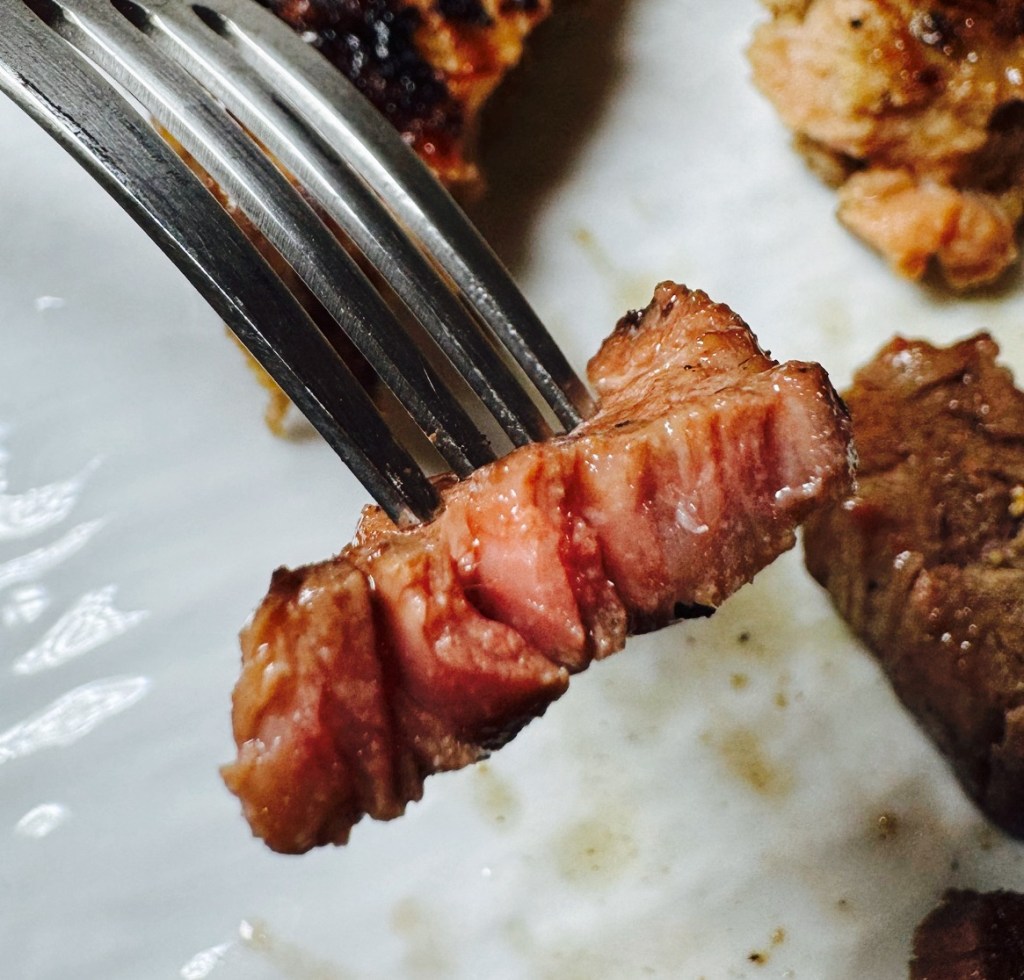
Sutbul Anchang / 숯물 안창살
Australian Tajima beef served has a marbling score of 7-8 (highest is 10). In Korea, the outside skirt is highly desirable, and is also Chef Aesil’s family’s favorite cut of meat. Originally bred in Hyogo prefecture, Japan, these prized cows yield only 1.2 – 1.8 kg of the tender outside skirt.
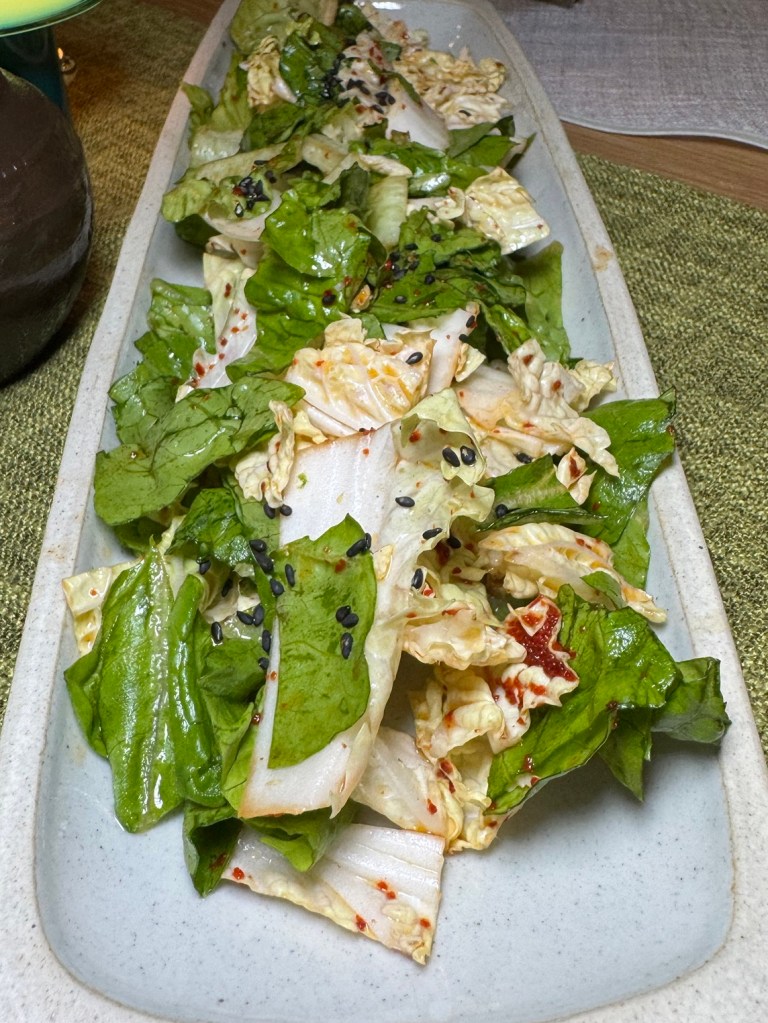

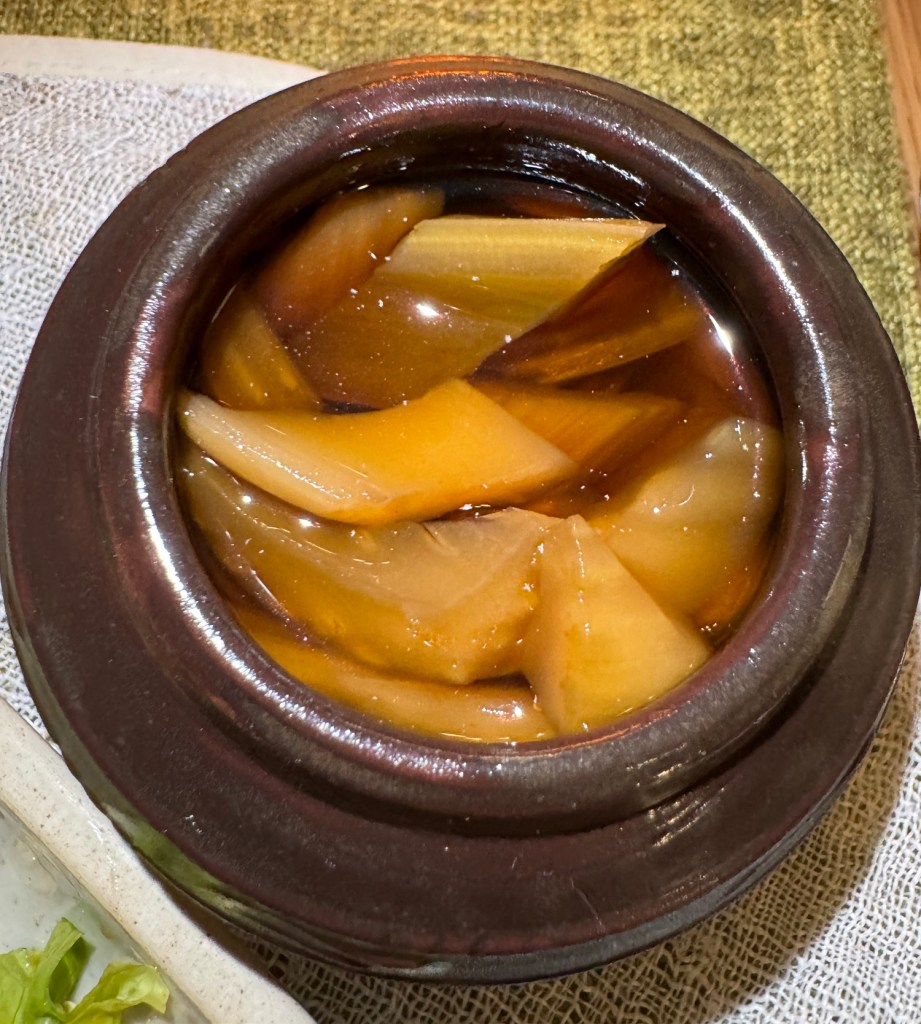
These meats were served with fresh salad and perilla oil dressing, celery jangajji in a tangy soy sauce blend that was so crunchy!, and geotjeori or fresh kimchi of napa cabbage.
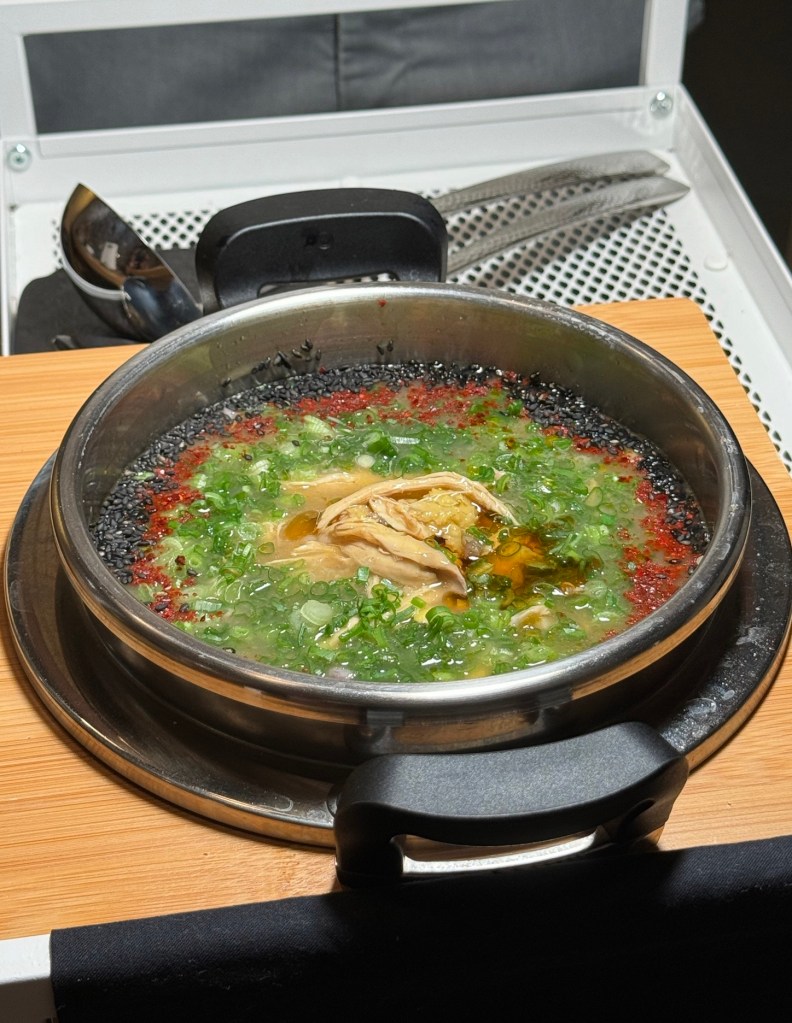
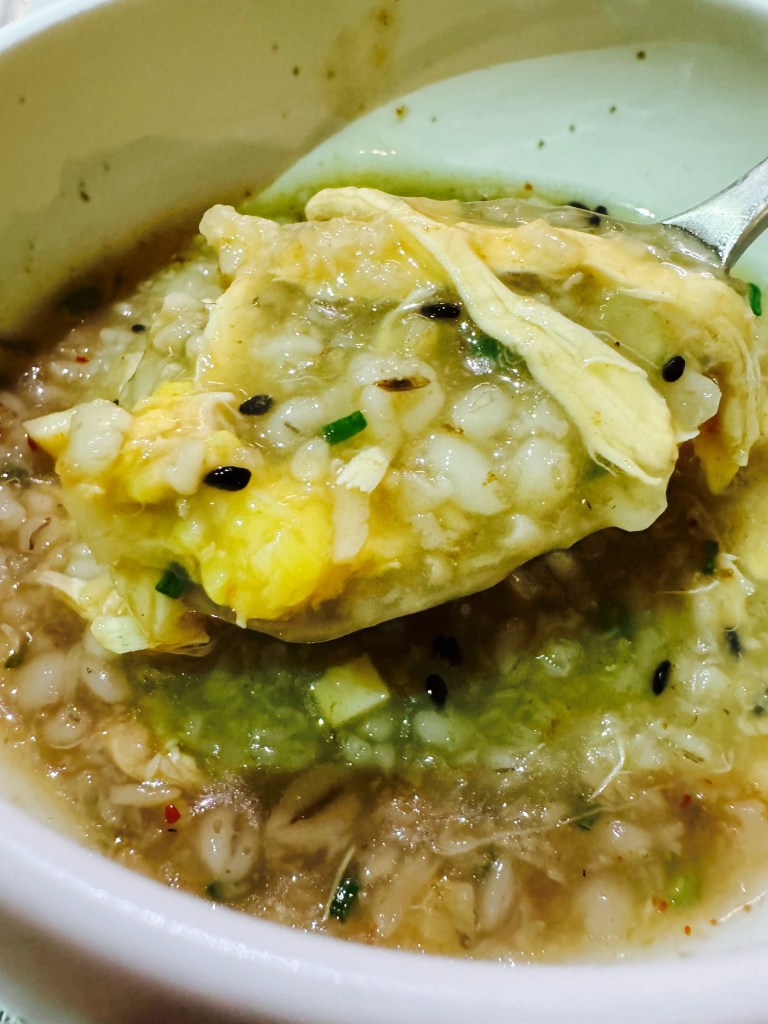
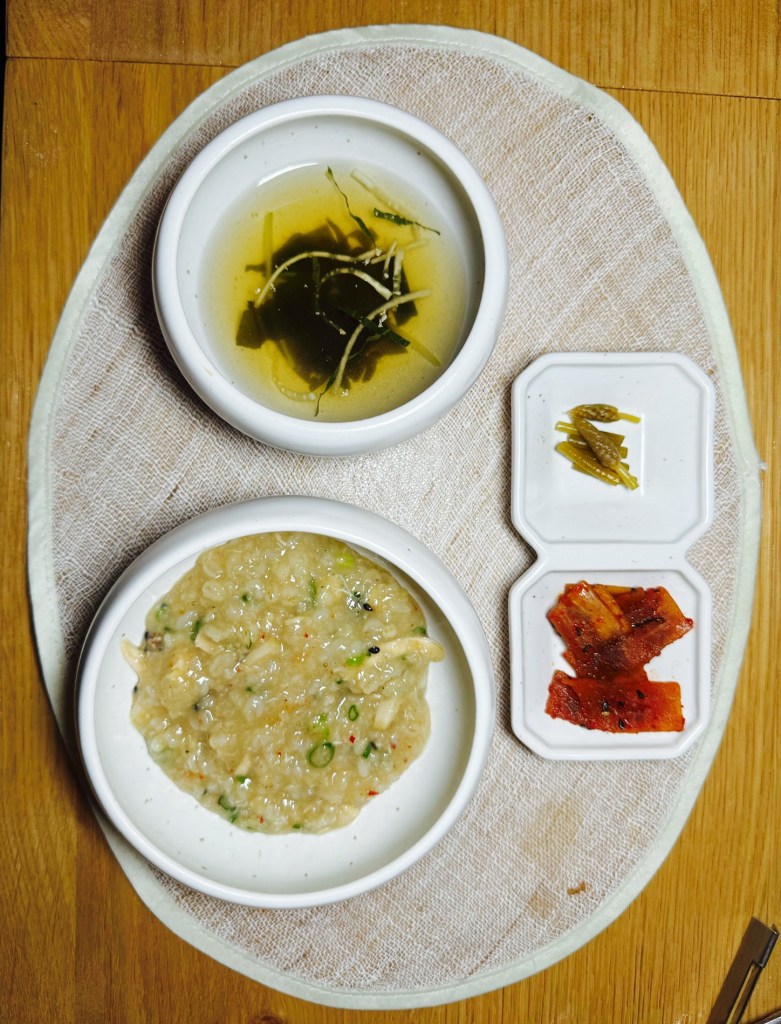
Jeonbok & Dak / 누룽지 전복 삼계죽
This was one luxurious porridge although it looks unassumingly so. Chef Aesil brewed organic french poulet, abalone, korean barley and glutinous rice for two hours together with six-year-old korean ginseng as an energy booster. That’s jeonbok – abalone & dak – porridge in samgyetang or ginseng chicken soup. The savory hug in a bowl was accompanied by kimchi and taro stems with a summer soup of spinach, seaweed and perilla leaves. These side dishes may change without notice, so enjoy them like it’s your last at every meal. And don’t be afraid to ask for seconds!

Jackson then surprised us with the fermented and distilled alcohol handmade by his father. The fermented rice & yeast (or nuruk) alcohol has a higher alcohol content (approximately 13%) and can withstand the summer heat without changing its taste or composition. Korean soju of 30% ABV was added to the solution in the midst of fermentation. Finally the alcohol was distilled for drinking.
Dessert
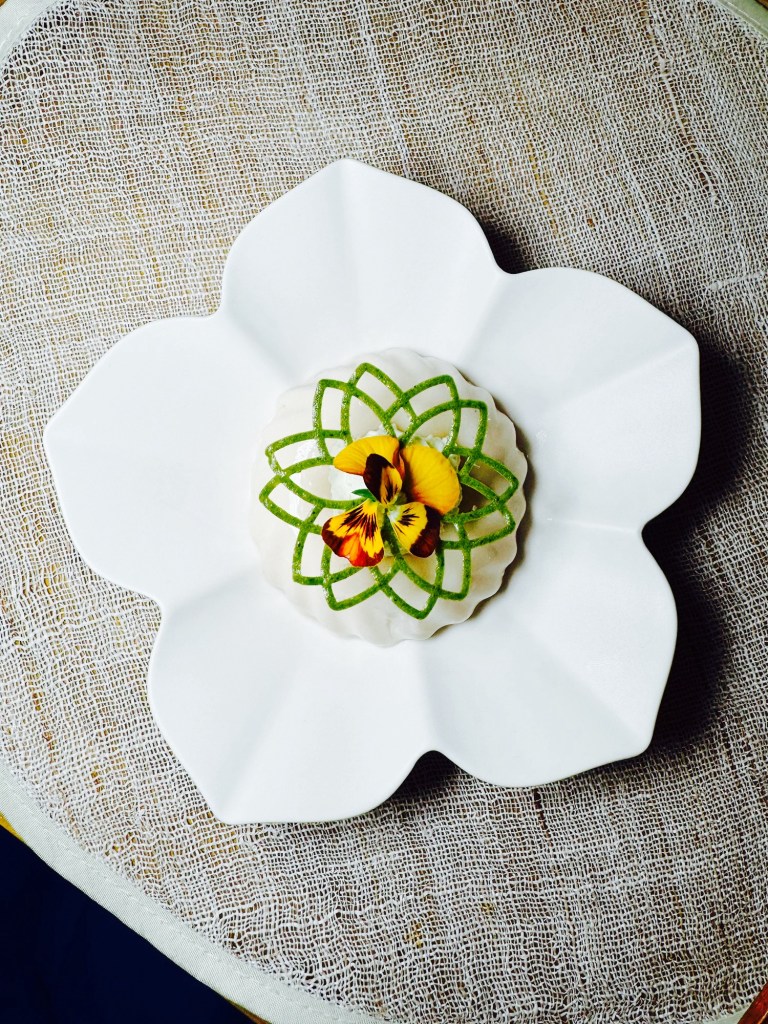

Omija Panna Cotta / 오미자 파나코타
Omija means five flavors – sweet, sour, salty, bitter and pungent. Break into the pudding with a spoon and discover peach compote & gwahaju, with basil cream and tuile on top with a flower. Basil and peach is one of Chef’s favorite pairings. I do like sweet endings with some tangy-ness to it instead of just sweet, sweet, sweet.
Bēok is soon becoming a hot topic on foodies’ tongues so if I were you, book a table soon!
Bēok
Open daily for dinner upon request.
Strictly no walk-in’s.
Email : reservation@jakdangmoi.com
Cuisine : Homecooked-style Korean
Seating Capacity : min 4 pax, max 10 pax
Dress Code : NA
Payment Mode : Cash, PayNow, Paylah
Parking : Basement
Instagram : @beok.sg
Facebook : Beok.sg
 International Food Blog | Jillyeats